Chapter 3: The Mauryan Empire, Kautilya & Ashokan Epigraphy
1. Imperial Genesis: Chandragupta & Megasthenes
The Mauryan Empire (322–185 BCE), founded by Chandragupta Maurya with the strategic mentorship of Chanakya (Kautilya), established India’s first pan-subcontinental centralized empire after overthrowing the Nanda dynasty and defeating Seleucus I Nicator (305 BCE Treaty of Arachosia, Gedrosia, and Paropamisadae).
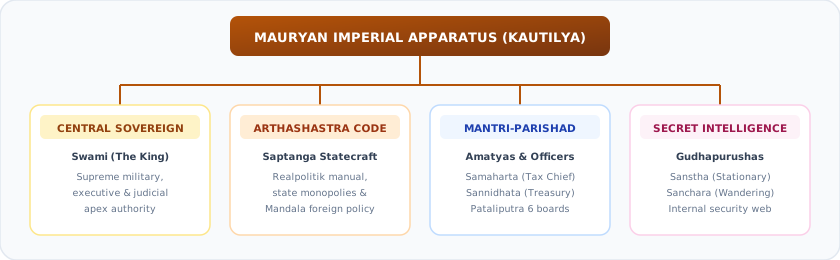
2. Kautilya's Saptanga Theory of the State
In the Arthashastra, Kautilya propounds the organic Seven Limbs of Statecraft (Saptanga):
- Swami (The King/Ruler): The soul and commander of the political body.
- Amatya (Ministers/Bureaucracy): Executive administrative corps.
- Janapada (Territory & Population): Fertile agricultural land populated by industrious cultivators.
- Durga (Fortress): Defensive fortifications (Audaka, Parvata, Dhanvana, Vana).
- Kosa (Treasury): Public exchequer sustained by agrarian tithe (
to ). - Bala / Danda (Military Force): Standing army comprising infantry, cavalry, chariots, and elephants.
- Mitra (Allies): Diplomatic partners in international mandala theory.
3. Ashoka the Great & The Policy of Dhamma
Following the bloody Kalinga War (261 BCE) recorded in Major Rock Edict XIII, Ashoka abandoned military conquest (Bherighosha) in favor of moral and cultural conquest (Dhammaghosha).
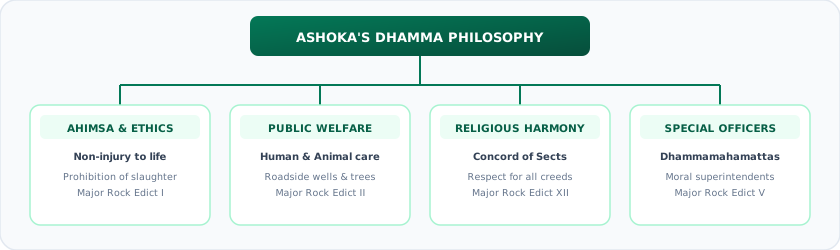
Ashokan Epigraphical Taxonomy
| Inscription Category | Major Sites | Language & Script | Primary Themes |
|---|---|---|---|
| 14 Major Rock Edicts | Girnar, Kalsi, Sopara, Dhauli, Jaugada, Shahbazgarhi, Mansehra | Prakrit (Brahmi; Kharosthi in NW); Greek & Aramaic at Kandahar | Core Dhamma tenets, Kalinga War remorse (RE XIII), Religious tolerance (RE XII) |
| 7 Major Pillar Edicts | Delhi-Topra, Delhi-Meerut, Lauriya-Nandangarh, Rampurva, Prayag | Magadhi Prakrit in pristine Brahmi script | Dhamma duties, judicial fairness (Vyavahara-samata), animal protection codes |
| Minor Rock Edicts | Bhabru/Bairat, Maski, Brahmagiri, Gujarra, Nittur | Prakrit in Brahmi script | Mentions personal name Ashoka (Maski, Gujarra, Nittur, Nettur); Triple refuge |
::: theorem Decipherment Milestone The Ashokan Brahmi script was first deciphered in 1837 by James Prinsep, an officer of the Calcutta Mint and Secretary of the Asiatic Society of Bengal, who correlated the honorific Devanampiya Piyadassi with King Ashoka. :::
4. Mauryan Administrative Hierarchy
- Samaharta: Chief Collector General of revenue and assessment.
- Sannidhata: Chief Custodian of the State Treasury and Storehouses.
- Dharmasthiya & Kantakashodhana: Civil courts and criminal/anti-corruption tribunals.
- Municipal Commission of Pataliputra: 6 boards of 5 members each (Megasthenes: Foreigners, Vital Statistics, Trades, Manufactures, Sales tax, Quality check).
Check Your Mastery
⚡ Concept Quick-CheckTest Your Conceptual Intuition
In which of the following Major Rock Edicts does Emperor Ashoka express profound remorse over the slaughter and deportations of the Kalinga War?