Chapter 5: Bhakti-Sufi Movements & Syncretic Cultural Evolution
1. The South Indian Genesis: Alvars & Nayanars
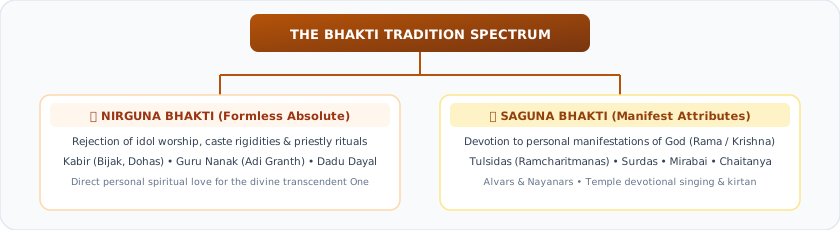
The Bhakti movement originated in the Tamil country between the 6th and 9th centuries CE:
- Alvars (12 Vaishnavite saints): Andal (only female Alvar), Nammalvar; canon compiled as the Nalayira Divya Prabandham by Nathamuni.
- Nayanars (63 Shaivite saints): Appar, Sambandar, Sundarar, Karaikkal Ammaiyar; hymns collected in the Tevaram and Tirumurai.
- Philosophical Acumen: Adi Shankara formulated Advaita (Absolute Non-Dualism); Ramanujacharya propounded Vishishtadvaita (Qualified Non-Dualism); Madhvacharya established Dvaita (Dualism).
2. Sufi Silsilas & Syncretic Culture in India
Sufism structured mystical devotion around lineages (Silsilas) centered at monastic hospices (Khanqahs):
- Chishti Silsila: Founded in India by Khwaja Moinuddin Chishti (Ajmer). Promoted poverty, rejection of state patronage, devotional music (Sama), and love for all humanity. Major masters: Bakhtiyar Kaki, Baba Farid, Nizamuddin Auliya (Delhi).
- Amir Khusrau: Disciple of Nizamuddin Auliya, father of Qawwali, pioneer of the Khari Boli Hindi-Urdu dialect, and inventor of the Sitar.
Check Your Mastery
⚡ Concept Quick-CheckTest Your Conceptual Intuition
Who was the Bhakti saint and weaver from Varanasi whose poetic couplets (Dohas) in Bijak fiercely challenged orthodoxy in both Hinduism and Islam?