Chapter 6: Communalism, Partition of 1947, Integration of States & Constitution
1. The Road to Partition (1940–1947)
- Lahore Resolution (March 1940): The All-India Muslim League under Muhammad Ali Jinnah formally adopted the demand for sovereign independent states in northwestern and eastern Muslim-majority zones (Two-Nation Theory).
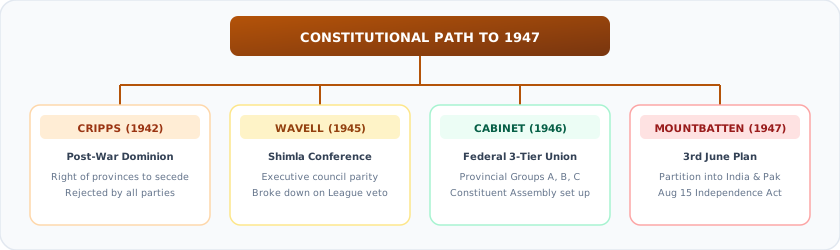
- Cabinet Mission Plan (May 1946): Pethick-Lawrence, Stafford Cripps, and A.V. Alexander proposed a three-tier federal union (Groups A, B, C) with weak center. Rejected over compulsory grouping interpretations.
- Direct Action Day (August 16, 1946): Jinnah's call sparked the Great Calcutta Killings, triggering communal violence across Noakhali, Bihar, and Punjab.
- Mountbatten Plan (3rd June 1947): Advanced the transfer of power to August 15, 1947; provided for the partition of British India and the demarcation of boundaries by the Radcliffe Boundary Commission.
2. Integration of the Princely States
Upon British withdrawal, 565 Princely States were given the legal option to join India, join Pakistan, or remain independent:
- The Architects: Deputy Prime Minister Sardar Vallabhbhai Patel (The 'Iron Man of India') and Secretary V.P. Menon.
- Accession Mechanism: Instrument of Accession and Standstill Agreement conceding Defense, External Affairs, and Communications.
- The Critical Flashpoints:
- Junagadh: Nawab fled to Pakistan; integrated into India following a massive public referendum (99.9% vote for India in Feb 1948).
- Hyderabad: Nizam refused accession and mobilized the brutal Razakars militia; integrated via Operation Polo (Police Action, September 1948).
- Jammu & Kashmir: Maharaja Hari Singh signed the Instrument of Accession on October 26, 1947, after Pakistani tribal raiders invaded.
3. Drafting the Constitution of India (1946–1949)
- First Meeting: December 9, 1946 (Dr. Sachchidananda Sinha interim President; Dr. Rajendra Prasad elected permanent President on Dec 11).
- Objectives Resolution: Moved by Jawaharlal Nehru on December 13, 1946 (unanimously adopted Jan 22, 1947; evolved into the Preamble).
- Drafting Committee: Formed on August 29, 1947, chaired by Dr. B.R. Ambedkar (Father of the Indian Constitution).
- Adoption & Enactment: Adopted on November 26, 1949 (Constitution Day); came into full legal effect on January 26, 1950 (Republic Day, commemorating the 1930 Purna Swaraj declaration).
Check Your Mastery
⚡ Concept Quick-CheckTest Your Conceptual Intuition
Who was appointed the Chairman of the Drafting Committee of the Constituent Assembly on August 29, 1947?